
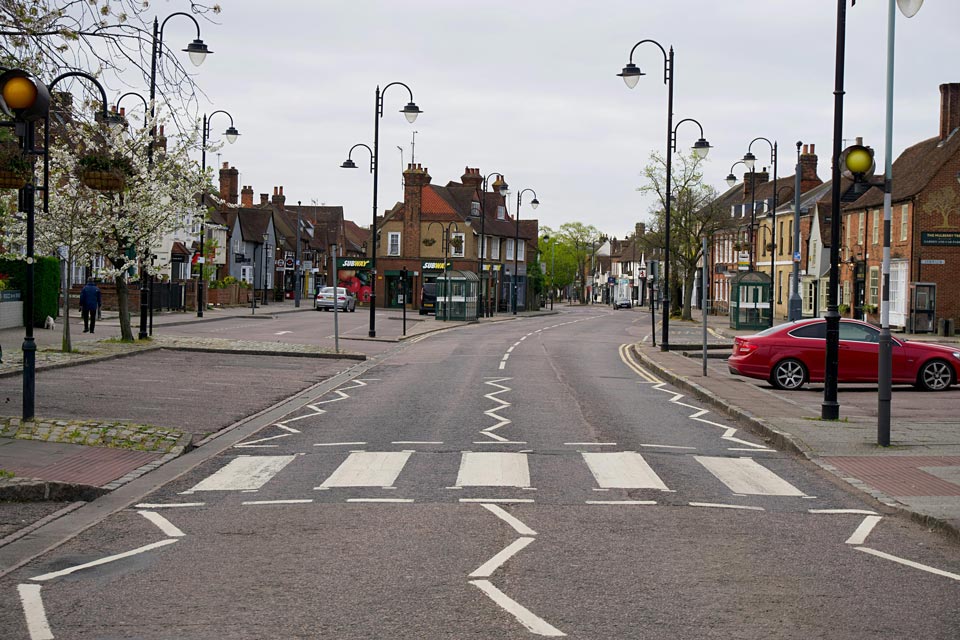
If you have been hit by a car, van, motorbike, bus or another road user while walking, the consequences can be life-changing. Pedestrians have very little protection in a collision, which means even a low-speed impact can cause fractures, head injuries, soft tissue injuries, psychological trauma, loss of earnings and longer-term disruption to daily life.
At ASL Solicitors, we specialise in personal injury claims and support injured people across Rochdale, Manchester and the surrounding areas. If you have been injured as a pedestrian and want to understand whether you may be able to claim, we can help you look at what happened, what evidence is available and what losses may form part of your claim. You can get in touch with us here.
This guide explains common pedestrian accident scenarios, what evidence to gather if you can, the legal rules that often apply, and why compensation may cover much more than the immediate physical injury.
How common are pedestrian accidents in Great Britain?
Pedestrian accidents remain a serious road safety issue. The Department for Transport reported that in 2024, 409 pedestrians were killed in Great Britain, 5,823 were seriously injured and 12,944 were slightly injured. That means there were 19,176 reported pedestrian casualties in total during 2024.[1]
The same Department for Transport factsheet also notes that pedestrians are one of the vulnerable road user groups because they are not protected by a vehicle body and can be harder for drivers to see.[1] These figures only cover casualties reported by or to the police, so they do not necessarily capture every non-fatal injury.
Claims data is published differently. The Compensation Recovery Unit does not provide a simple public figure for pedestrian-only claims in its main annual table. However, it does publish overall registered compensation cases. In 2024/25, there were 447,973 registered compensation cases across England, Scotland and Wales, including 312,283 motor cases.[2] Pedestrian accident claims are usually recorded within the wider road traffic accident and motor claims landscape rather than as a separate headline category.
When can a pedestrian make an accident claim?
A pedestrian may be able to claim compensation where another person or organisation owed them a duty of care, breached that duty, and caused injury or loss as a result. In road traffic accident claims, this commonly involves showing that a driver, rider or other road user failed to take reasonable care.
Examples may include a driver failing to stop at a crossing, turning into a side road without properly checking for pedestrians, driving too fast for the conditions, using a mobile phone, failing to notice someone on the road, or mounting the pavement.
A claim does not always fail just because the pedestrian is accused of doing something wrong. In England and Wales, the Law Reform (Contributory Negligence) Act 1945 allows damages to be reduced where the injured person is partly responsible, rather than automatically defeating the claim altogether.[3] For example, if an insurer argues that a pedestrian crossed outside a formal crossing or stepped into the road while distracted, that may become a contributory negligence argument. It does not necessarily mean there is no claim.
Common pedestrian accident scenarios
1. Being hit on a zebra crossing or pedestrian crossing
Crossing accidents are among the most recognisable pedestrian claim scenarios. The Highway Code states that drivers and riders must give way to pedestrians on a zebra crossing, and to pedestrians and cyclists on a parallel crossing. It also says pedestrians have priority at light-controlled crossings when they have a green pedestrian signal.[4]
Claims may arise where a driver fails to slow down, drives through a crossing, misjudges the pedestrian’s position, or overtakes another vehicle near a crossing.
2. A vehicle turning into or out of a junction
Pedestrians are often injured when a vehicle turns left or right into a side road. The Highway Code says that at a junction, drivers, motorcyclists, horse-drawn vehicles, horse riders and cyclists should give way to pedestrians crossing or waiting to cross a road into which or from which they are turning.[4]
These accidents can happen when a driver focuses on traffic rather than the pavement, cuts the corner too sharply, or turns without properly checking for someone already crossing.
3. Being hit while walking along the pavement
Some of the most serious pedestrian injuries happen when a vehicle leaves the road, mounts the pavement or reverses into a pedestrian. This might involve loss of control, dangerous driving, parking manoeuvres, delivery vehicles, taxis, buses, vans or vehicles entering and exiting driveways.
Where a pedestrian is on the pavement, the liability position may be clearer, although every case still depends on the evidence.
4. Hit-and-run pedestrian accidents
If the driver leaves the scene, a claim may still be possible. Drivers involved in certain road accidents have duties under section 170 of the Road Traffic Act 1988, including duties to stop, provide details and, where required, report the accident.[5]
If the driver cannot be traced, the claim may need to be considered through the Motor Insurers’ Bureau. In those cases, early evidence is especially important because there may be no insurer immediately available to investigate the accident.
5. Accidents involving uninsured drivers
If the driver was uninsured, this does not automatically prevent a claim. Uninsured driver cases can involve the Motor Insurers’ Bureau, provided the relevant criteria are met. These claims can be more technical, so it is sensible to seek legal advice quickly.
6. Children injured as pedestrians
Children can be particularly vulnerable near roads, schools, residential streets and crossings. Claims involving children need careful handling because children may not judge speed, distance or road risk in the same way as adults. Where compensation is agreed for a child, it will usually need court approval.
7. Accidents involving buses, taxis, vans or delivery vehicles
Professional drivers and commercial vehicle operators may be involved in pedestrian accidents around bus stops, taxi ranks, delivery bays, car parks, construction areas and busy town centres. These claims may involve the driver, employer, vehicle operator, insurer, CCTV evidence, telematics or workplace driving policies.
The Highway Code and the hierarchy of road users
The Highway Code is not the same as an Act of Parliament, but it is often highly relevant in road traffic accident claims. Some rules use the word “MUST”, which usually reflects a legal requirement. Other rules may still be used as evidence of expected road behaviour.
The updated Highway Code includes a hierarchy of road users. It explains that those in charge of vehicles that can cause the greatest harm bear the greatest responsibility to take care and reduce the danger they pose to others.[4] Pedestrians, especially children, older adults and disabled people, are identified as road users most at risk in the event of a collision.[4]
This does not remove the need for pedestrians to take care for their own safety, but it does reflect the reality that a pedestrian is far more exposed than someone inside a vehicle.
What evidence should pedestrians gather after an accident?
Your health and safety should always come first. If you are seriously injured, focus on getting medical help. If you can gather evidence safely, or someone else can do it for you, the following can be useful.
Driver and vehicle details
Try to obtain the driver’s name, address, vehicle registration number, insurance details and contact information. If the driver refuses to provide details or leaves the scene, report the incident to the police as soon as possible.
Photographs and videos
Photos can be extremely helpful. If possible, take pictures of:
- The vehicle and registration plate.
- The accident location.
- Road markings, crossings, traffic lights and junction layout.
- Visibility issues, lighting, weather and road surface conditions.
- Damage to clothing, bags, phones, glasses or mobility aids.
- Visible injuries, both immediately and as bruising develops.
Witness details
Independent witnesses can make a major difference, especially where the driver disputes fault. Ask for names, phone numbers and email addresses if people saw what happened.
CCTV, dashcam and doorbell footage
CCTV can be overwritten quickly. Nearby shops, buses, taxis, homes, doorbell cameras, car parks and public buildings may have footage. If you know where cameras are located, make a note of them and ask for footage to be preserved as soon as possible.
Police and ambulance records
If the police attended, ask for the reference number. If an ambulance attended, this may also create a record of the accident and your immediate symptoms.
Medical records
Attend hospital, urgent care or your GP if you are injured. Medical records help connect your injuries to the accident and show how your symptoms developed over time. This matters because some injuries, including soft tissue injuries, concussion symptoms and psychological trauma, can become more obvious days or weeks later.
Financial records
Keep evidence of losses, including payslips, invoices, receipts, taxi fares, prescription charges, private treatment costs, damaged property, care costs and travel expenses. Compensation is not only about the injury itself. It can also include financial losses caused by the accident.
How damages can extend beyond the immediate physical injury
Many people think of compensation as a payment for a broken bone, head injury, scarring or soft tissue injury. In reality, a pedestrian accident claim may include several different types of loss.
Pain, suffering and loss of amenity
This covers the injury itself and the impact it has on your quality of life. It may include pain, reduced mobility, scarring, sleep disruption, loss of independence, reduced ability to exercise, difficulty with hobbies and the effect on family life.
Loss of earnings
If you are unable to work after the accident, you may be able to claim for lost earnings. This can include time off work, reduced hours, missed overtime, lost bonuses, self-employed income losses and, in serious cases, future loss of earnings.
Care and assistance
Many injured pedestrians need help with washing, dressing, cooking, childcare, shopping, cleaning or getting to appointments. This care may be provided by family members rather than paid carers, but it can still be relevant to the value of the claim.
Treatment and rehabilitation
Pedestrian injuries may require physiotherapy, counselling, occupational therapy, private scans, pain management, mobility aids, home adaptations or specialist rehabilitation. Serious claims may also involve interim payments to help fund urgent needs before the final settlement.
Psychological injury
Being hit by a vehicle can be frightening and traumatic. Some people experience anxiety, flashbacks, panic when crossing roads, low mood, travel anxiety or symptoms of post-traumatic stress. Psychological injury can form part of a claim where it is supported by medical evidence.
Travel, equipment and damaged belongings
Claims can also include practical losses such as travel to appointments, damaged clothing, broken phones, damaged glasses, mobility aids, shoes, bags or other personal items.
Long-term and future losses
Where injuries are serious, damages may include future treatment, future care, reduced earning capacity, pension loss, adaptations to accommodation, specialist equipment or support with returning to work.
What laws and regulations apply to pedestrian accident claims?
Negligence and duty of care
Most pedestrian accident claims are based on negligence. The injured person normally needs to show that the defendant owed them a duty of care, breached that duty, and caused injury and loss as a result. Drivers, riders and other road users must take reasonable care to avoid causing foreseeable harm.
The Highway Code
The Highway Code is central to many road accident claims. It includes rules about crossings, junctions, pavements, speed, observation and the hierarchy of road users. A breach of the Highway Code can be important evidence when assessing fault.[4]
Road Traffic Act 1988
Section 170 of the Road Traffic Act 1988 sets out duties for drivers following certain accidents, including stopping, providing details and reporting the accident where required.[5] This can be particularly relevant in hit-and-run or disputed accident cases.
Limitation Act 1980
In most personal injury claims in England and Wales, the usual time limit is three years from the date of the accident or the date of knowledge. This comes from section 11 of the Limitation Act 1980.[6] There are exceptions, including claims involving children and people who lack mental capacity. Children usually have until their 21st birthday to start a claim if no claim was brought on their behalf before they turned 18.
Law Reform (Contributory Negligence) Act 1945
If the injured pedestrian is found partly responsible, the court can reduce damages by a percentage that it considers just and equitable. This is known as contributory negligence.[3] Common allegations include crossing without looking properly, crossing away from a designated crossing, stepping out suddenly or wearing dark clothing at night. These arguments are fact-sensitive and should not be accepted without proper legal advice.
Whiplash reforms and vulnerable road users
The Official Injury Claim process and whiplash reforms apply to many low-value road traffic accident claims involving occupants of vehicles. However, pedestrians are treated as vulnerable road users and cannot use the Official Injury Claim service.[7] This is important because pedestrian accident claims may proceed differently from many standard car occupant whiplash claims.
Fatal Accidents Act 1976
Where a pedestrian accident is fatal, certain family members and dependants may be able to bring claims under the Fatal Accidents Act 1976.[8] These claims can include dependency losses, funeral expenses and, in eligible cases, statutory bereavement damages.
What if the driver says they did not see you?
“I didn’t see them” is not always a defence. Drivers are expected to keep a proper lookout and drive at a speed that is safe for the conditions. The Highway Code hierarchy also reinforces the responsibility of those in charge of vehicles that can cause the greatest harm.[4]
Evidence such as CCTV, witness statements, dashcam footage, accident reconstruction evidence, damage location and the road layout can help establish whether the driver should have seen the pedestrian sooner.
How long do pedestrian accident claims take?
The timescale depends on the seriousness of the injury, whether liability is admitted, the availability of evidence and whether your long-term medical position is clear. A straightforward claim may settle sooner, while a serious injury claim can take longer because medical evidence, rehabilitation needs, future losses and expert reports must be properly assessed.
It is usually unwise to settle before the full effect of your injury is understood. Once a claim is settled, you generally cannot return later for more compensation if symptoms worsen.
How ASL Solicitors can help
At ASL Solicitors, we help injured pedestrians understand their legal options and build the strongest claim possible. We can assist with evidence gathering, insurer correspondence, medical evidence, rehabilitation, loss calculations and negotiations.
We are based in Rochdale and provide personal injury services to people in Rochdale, Manchester and the surrounding areas. If you were hit by a car, van, motorbike or another vehicle as a pedestrian, contact ASL Solicitors today to speak to us about your situation.
FAQs about pedestrian accident claims
Can I claim compensation if I was hit by a car as a pedestrian?
You may be able to claim if the driver was wholly or partly at fault and you suffered injury or financial loss as a result. Evidence such as CCTV, witness details, medical records and photographs can help prove what happened.
How long do I have to make a pedestrian accident claim?
In most personal injury claims in England and Wales, the usual time limit is three years from the accident date or date of knowledge. Different rules can apply to children and people who lack mental capacity, so it is best to seek advice as early as possible.
Can I claim if I crossed the road away from a crossing?
Possibly. Crossing away from a formal crossing does not automatically prevent a claim. The driver may still have been speeding, distracted or failing to keep a proper lookout. If you were partly responsible, your compensation may be reduced for contributory negligence.
What evidence do I need after a pedestrian accident?
Useful evidence can include the driver’s details, vehicle registration, photographs, CCTV, dashcam footage, witness contact details, police references, medical records and receipts for expenses or lost earnings.
Can I claim after a hit-and-run pedestrian accident?
Yes, a claim may still be possible even if the driver leaves the scene. You should report the accident to the police and seek legal advice quickly because these claims may involve the Motor Insurers’ Bureau and strict evidence requirements.
Are pedestrian claims affected by the whiplash reforms?
Pedestrians are vulnerable road users and cannot use the Official Injury Claim service. Pedestrian accident claims are therefore treated differently from many low-value whiplash claims involving occupants of vehicles.
What can pedestrian accident compensation include?
Compensation can include pain and suffering, loss of earnings, medical treatment, rehabilitation, care, travel costs, damaged belongings, psychological injury and future losses where the injury has a long-term impact.
Do I need a solicitor for a pedestrian accident claim?
You are not legally required to use a solicitor, but pedestrian claims can involve disputes about liability, contributory negligence, medical evidence and future losses. Specialist legal advice can help protect the value of your claim.
References
1) Department for Transport – Reported road casualties in Great Britain: pedestrian factsheet, 2024:
https://www.gov.uk/government/statistics/reported-road-casualties-great-britain-pedestrian-factsheet-2024/reported-road-casualties-in-great-britain-pedestrian-factsheet-2024
2) Department for Work and Pensions – Compensation Recovery Unit performance data:
https://www.gov.uk/government/publications/compensation-recovery-unit-performance-data/compensation-recovery-unit-performance-data
3) Legislation.gov.uk – Law Reform (Contributory Negligence) Act 1945, Section 1:
https://www.legislation.gov.uk/ukpga/Geo6/8-9/28/section/1
4) GOV.UK – The Highway Code, Introduction and hierarchy of road users:
https://www.gov.uk/guidance/the-highway-code/introduction
5) Legislation.gov.uk – Road Traffic Act 1988, Section 170:
https://www.legislation.gov.uk/ukpga/1988/52/section/170
6) Legislation.gov.uk – Limitation Act 1980, Section 11:
https://www.legislation.gov.uk/ukpga/1980/58/section/11
7) Official Injury Claim – Who can use Official Injury Claim?:
https://www.officialinjuryclaim.org.uk/news/who-can-use-official-injury-claim/
8) Legislation.gov.uk – Fatal Accidents Act 1976:
https://www.legislation.gov.uk/ukpga/1976/30